
Good customer support can improve or ruin your overall experience with a software solution, so do your homework and choose the best one. Start with the essential features you want in a quote-to-cash software solution and shortlist some great options. If you need help selecting the right Q2C software solution for your business, then follow this step-by-step process.
Enhancing Sales Systems

The quote-to-cash process (Q2C) encompasses many functions across sales, account management, order fulfilment, billing, and accounts receivable departments. Teams using CPQ software take up to 73% less time generating quotes compared to manual processes. Automated contract workflows, integrated order management, and AI-driven follow-ups each contribute to shortening the total time from first quote to collected payment. At the foundation of your quote-to-cash management process is automation.
Product Configuration
- An automated system can even send quotes directly to prospective customers.
- The three layers of QTC are CPQ, contract management, and revenue management.
- Automated billing systems that integrate with platforms like Stripe, Chargebee, or NetSuite pull directly from the Q2C data chain, eliminating guesswork.
- Quote-to-cash software solutions make the sales and billing processes faster, more accurate, and more efficient.
- Quote-to-cash covers the entire sales cycle, from the moment a customer receives a quote to the point where they send payment to your business.
- Learn more about optimizing the quote-to-cash process for SaaS companies.
The solution, however, is simpler than you might expect, and it tends to begin with integrated systems. A reference architecture for Q2C may have hundreds of integrations, so it needs a solid integration layer, where little time is spent on manual tasks. And the key “reference” Law Firm Accounts Receivable Management in a reference architecture is how master data is conceived, configured, and integrated with other systems. Of course, the business model and the pricing it supports must be defined in the contract, which can be quite complex. It’s still manageable, but renewals, add-ons, cancellations, modifications, swaps, warranties, repairs, and upgrades can the process quite challenging.
- Implementing these changes will streamline your workflow and help meet your revenue goals, ultimately boosting your bottom line.
- Then, you create a quote, manage the contract, fulfill the order, send the invoice, and finally, recognize the revenue.
- Modern billing software manages and automates invoicing, payments, and subscription changes.
- With Salesforce’s shift in strategy, Younium presents a future-proof, comprehensive, and flexible solution that evolves with your business.
- R2R (Record-to-Report) focuses on gathering, validating, and reporting financial data for internal and external stakeholders.
- In an era where an increasing amount of business is conducted virtually, capturing signatures can pose a substantial hurdle in the sales cycle, potentially slowing down the time to revenue.
- Many businesses find that a streamlined Q2C process is key to achieving better data visibility, which in turn helps make strategic decisions with greater confidence.
The top 3 ways finance leaders can pave the way for greater growth
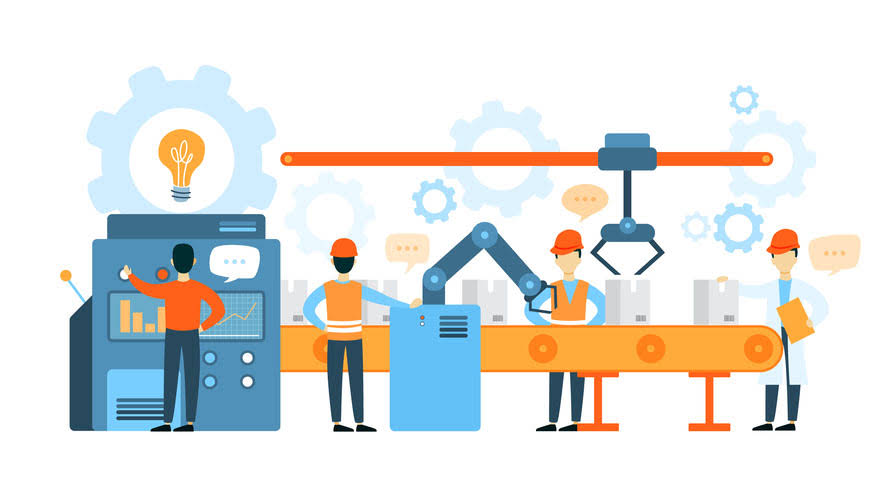
Technology doesn’t just automate tasks; it also provides valuable data. Use reporting and data analytics tools to understand what’s working well in your Q2C process and identify areas for improvement. Analyzing your Q2C data regularly helps you spot bottlenecks, optimize pricing strategies, and ultimately improve customer https://www.bookstime.com/ satisfaction. WisePay emphasizes the importance of data analysis for improving customer satisfaction in their discussion of the Q2C process.

Often an existing process has complexities designed into it, but no one remembers the reasons why. Or companies did quote-to-cash process not have the internal capabilities to do it differently. The size of the company is also an important factor, as well as its rate of growth. With our clients, that’s typically Salesforce and Oracle, but it could also be SAP. In my last blog, I talked about how there used to be one “mothership” application — usually ERP — where everything happened and it was customized to accommodate company-specific process anomalies.